Harm Reduction
A gender perspective

I begin this research by acknowledging my initial lack of knowledge about harm reduction policies, beyond the needle exchange programs initiated in the 1980s. Harm reduction emerges as a public health policy: non-punitive, non-abolitionist, and non-judgmental, with the primary goal of minimizing the collateral effects of drug use and keeping people alive. This includes creating paraphernalia and safe spaces for injection or inhalation, all from a participatory perspective. These initiatives have expanded to include comprehensive services that people who use drugs might need: socio-health, psychological, legal, and social support, as they are often excluded from many services, creating a vicious cycle that forces them to survive on the margins of society.
Why is a feminist intersectional perspective necessary in this field?
Women and gender non-conforming individuals who use drugs face additional stigmas and vulnerabilities beyond the taboo of drug use itself. Historically, they have been punished for deviating from their gender roles, being labeled as “vicious, deviant, bad, and promiscuous,” a situation that is especially exacerbated in the context of motherhood. Often, these individuals suffer from structural violence. They may experience homelessness, have migratory experiences, be racialized, sex workers, or survivors of sexual or domestic abuse and violence.
Traditionally, women have used drugs for therapeutic purposes or as a survival mechanism. It is likely that all of us use substances—legal or illegal—or would do so if we were in similar circumstances. Regardless of the reasons or conditions for their use, women who use drugs have the right to rest, to feel safe, and to receive institutional support like any other citizen. Additionally, they have the right to enjoy themselves, have fun, and have a space where they can take care of themselves and find community.
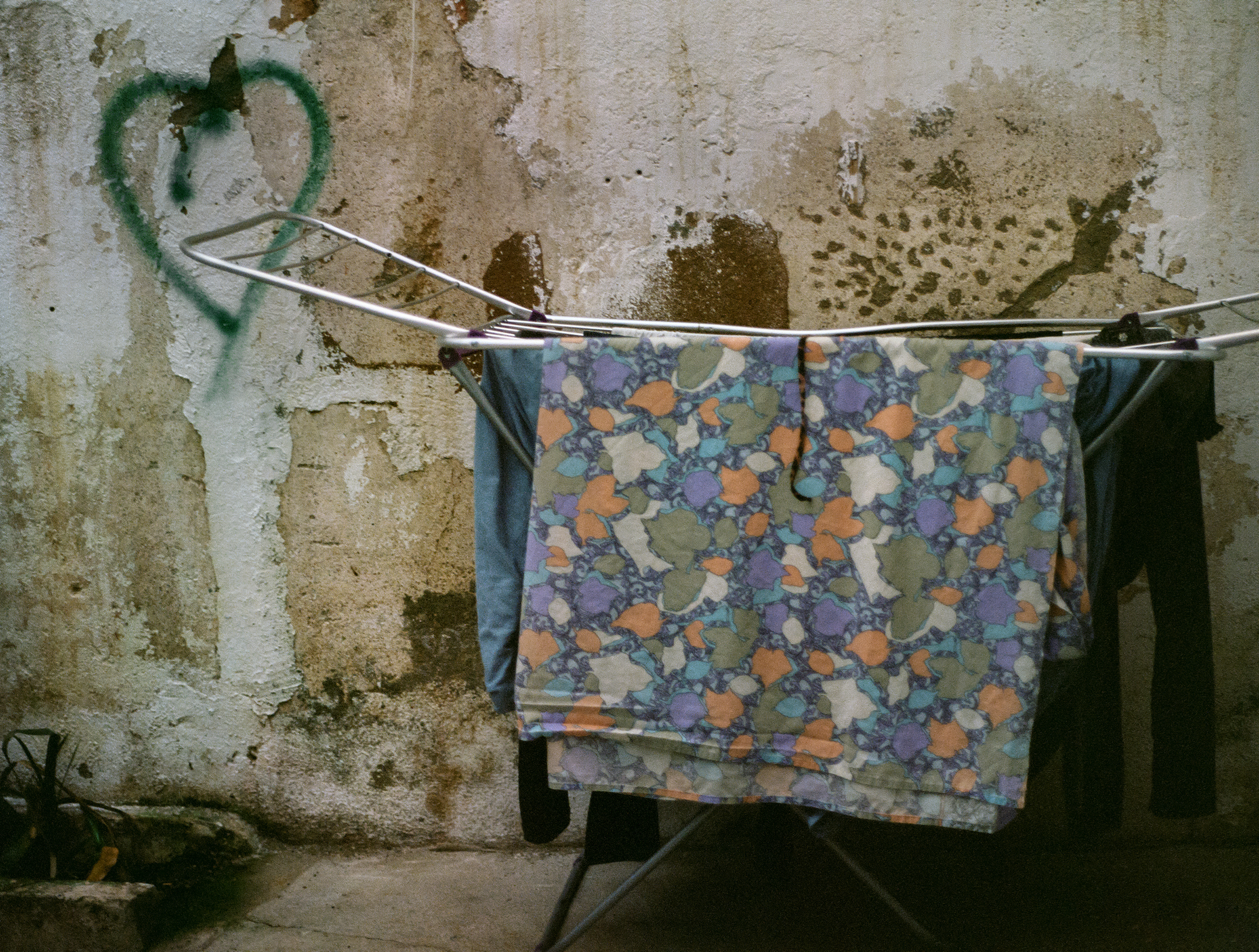
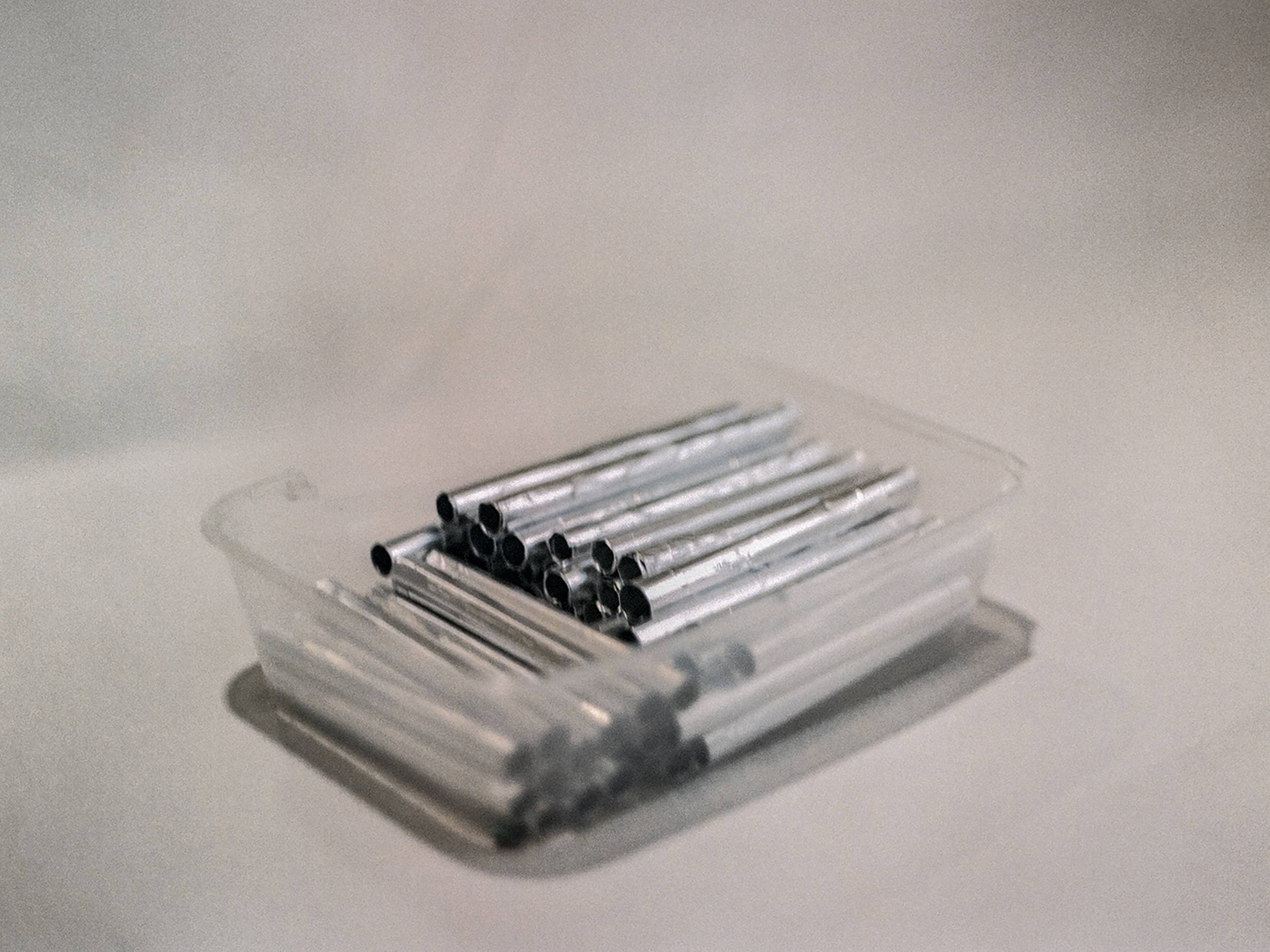

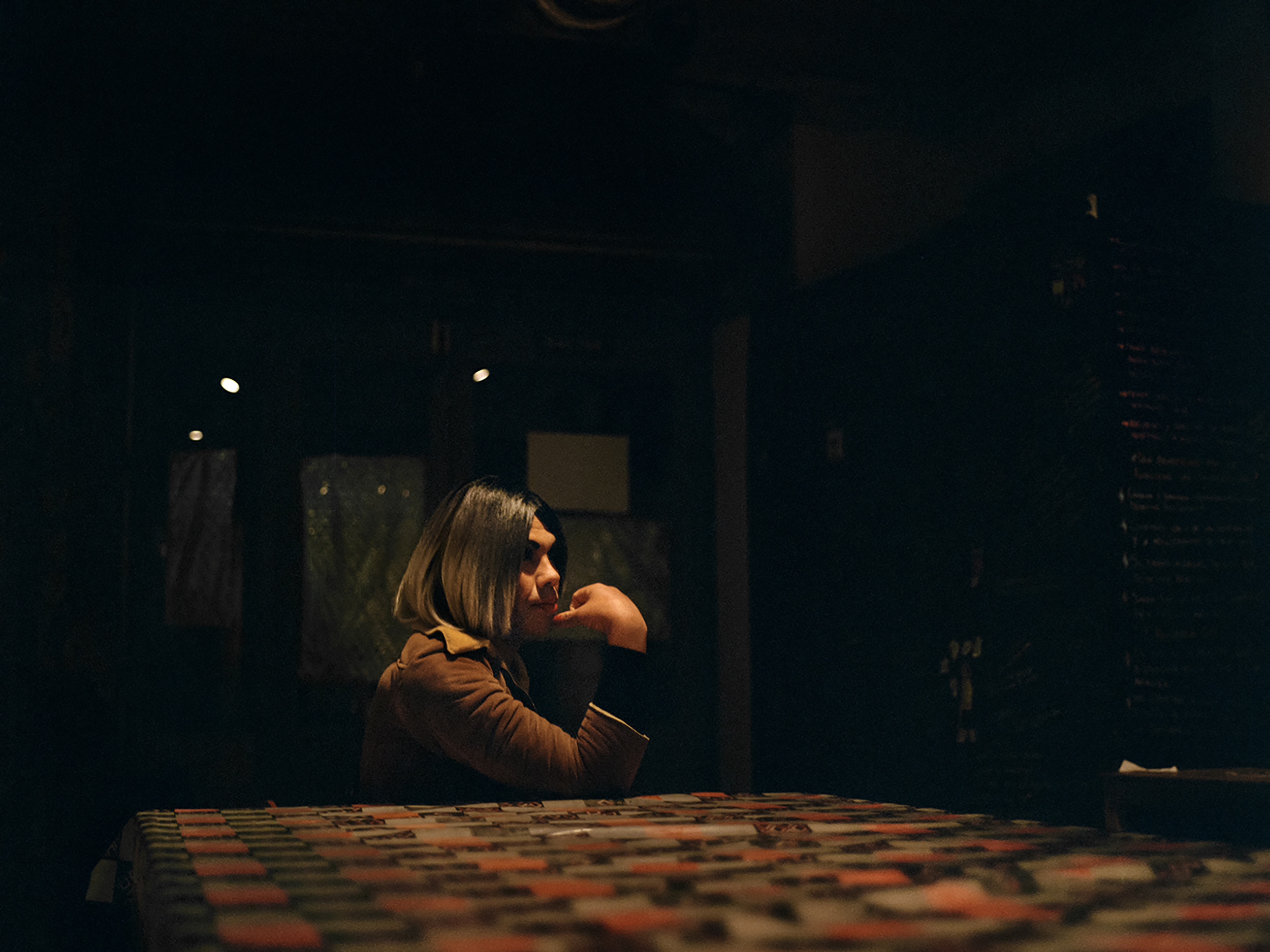
In this piece, I show my process of discovery, where I have shared moments with them in spaces of self-care, rest, healing, and activism. I have mapped the streets of Raval with social workers who care for the environment and people living on the streets. I have learned to shift the perception that “the problem is the drugs” when it is actually the violence and exclusion they face daily. I have understood that harm reduction is an approach that should expand to the holistic pursuit of well-being. I have realized that ceasing drug use is not the only solution, and sometimes not even the safest one. I have deconstructed the morality around who uses substances and how, and I have learned to criticize the paternalistic, infantilizing, and victimizing perspectives of many institutional protocols. And I have understood that they are as much a part of the Raval community as any of us.
This project is a commission from the “Pla de Barris” of the City of Barcelona, in collaboration with CAS Baluard and Metzineras, showcased at the MACBA (Contemporary Art Museum) located in the El Raval neighborhood in 2024.