On Mass Hysteria

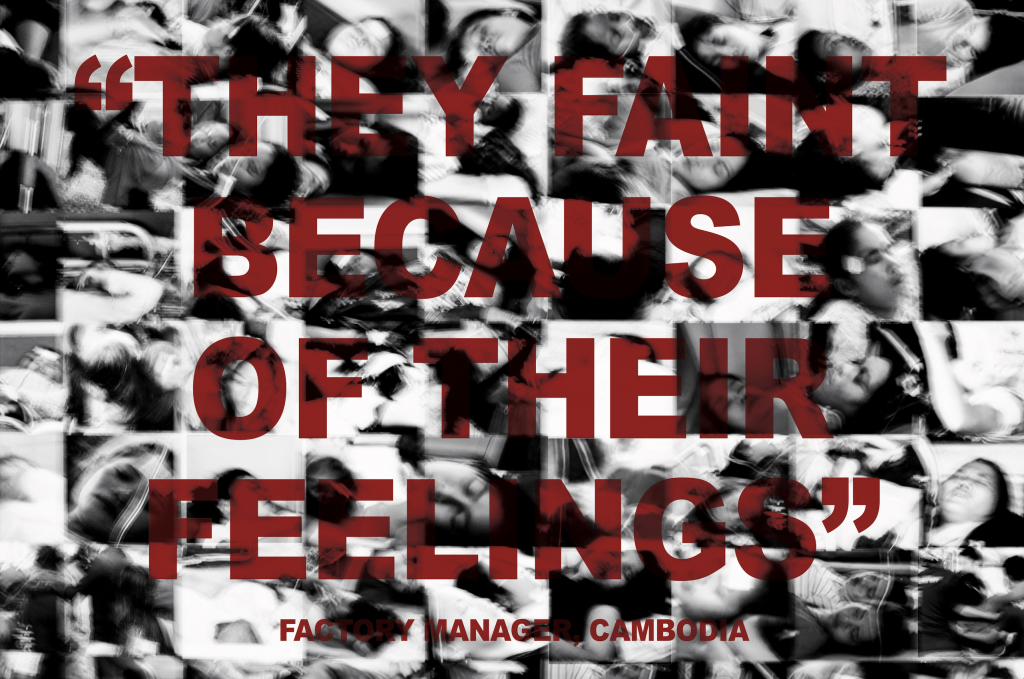
In 2016, while researching Menstruation Myths in Nepal, I came across a 2003 article titled “Girls suffer mass hysteria in a Nepal school”. It described dozens of schoolgirls fainting without biological cause, attributed to the presence of only male teachers. Intrigued by this phenomenon of group hysteria, I discovered hundreds of similar cases worldwide, documented as far back as medieval times.
Often termed ‘possessions’ or ‘mysterious illness’ they were referring to ‘mass psychogenic illness’: outbreaks that involve a rapid, unconscious spread of symptoms within close-knit groups, predominantly affecting adolescent girls and women under extraordinary psycho-social stress. Symptoms range from motor-related issues like dizziness, fainting, and tremors to anxiety-type states—screaming, crying, hallucinating, or uncontrollable laughter, tics and weeping.
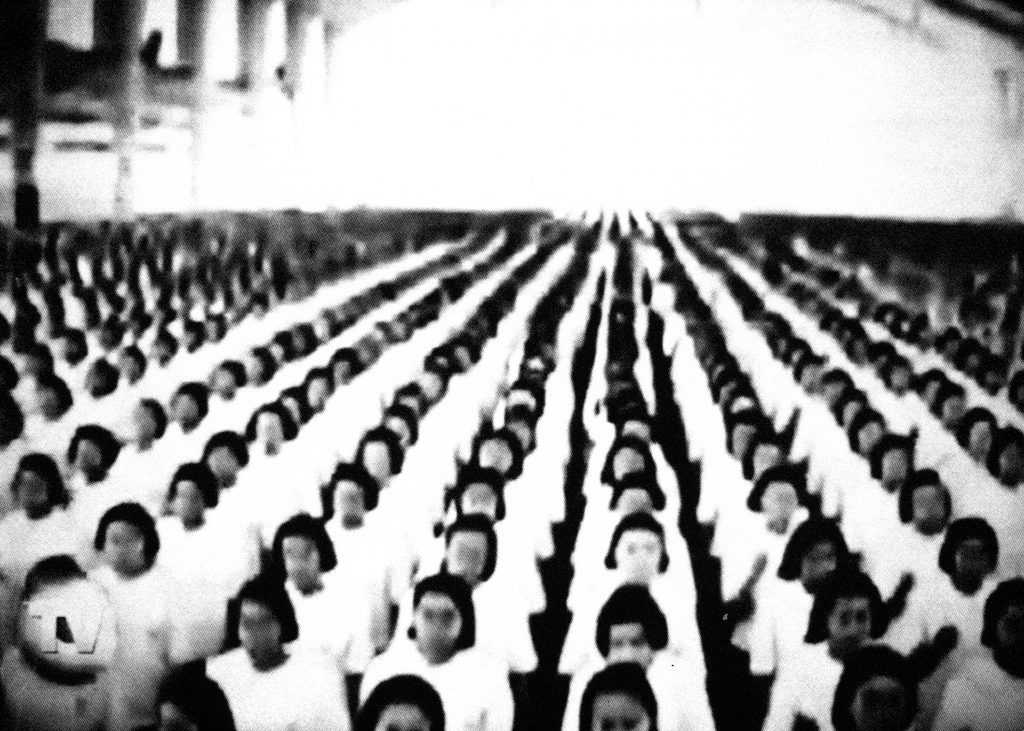
Despite their prevalence, contemporary medical literature struggles to fully explain such phenomena or their focus on young women. Authorities historically dismiss those affected as ‘attention-seekers’ or ‘hormonal’ –or even witches–, with explanations rooted in misogynistic and colonial biases. Sociologists, however, note that these women often occupy marginalized positions in oppressive social systems. Anthropologist Aihwa Ong, analyzing fainting episodes in Malaysian factories during the 1970s, described them as a proto-language of protest, an unconscious resistance to harsh labor conditions and male control.
Through this research, I confronted Western medicine’s narrow focus on biological and individual psychological factors, which fails to account for societal power dynamics driving these outbreaks. Expanding my inquiry, I embraced an intersectional lens that includes animistic and spiritual beliefs, transgenerational trauma, and the psychosomatic expression of suffering. Letting women’s dreams, emotions, and premonitions guide my storytelling, I sought to honor their voices and experiences.
Modern neurology now classifies these disorders as functional neurological disorders, yet I choose the title “on mass hysteria” for my project. With its origins in the Greek word for uterus, it symbolizes a shared language of protest and resilience—a means to articulate the pain of the soul through the body. By reclaiming this term, I commit to ensure that our voices are heard, their experiences are acknowledged, and that we are never subjected to gaslighting.