Suyay

“I went outside, screaming, carrying my daughter in my arms, calling my husband. Somebody said, ‘Stop calling him. They’ve taken your husband away.’”
Adelina García, wife of Zósimo Tenorío Prado, disappeared in 1983, in Ayacucho.
Thousands of people in Peru continue to live in limbo as they wait to locate their missing loved ones three decades after the armed conflict, where more than 70,000 individuals died. Around 20,000 families remain consumed by the absence and the unknown circumstances surrounding the disappearances of their relatives.
In Suyay, Laia Abril explores what it means to long for, to search for, and to wait for a missing husband or wife, father or mother, sister or brother. Her project investigates ambiguous grieving and at the same time documents the resistance and resilience of families seeking their disappeared relatives.


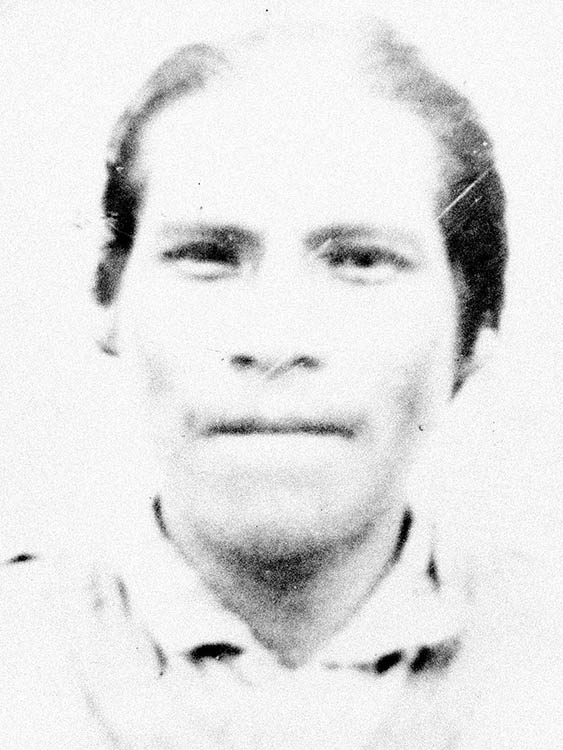


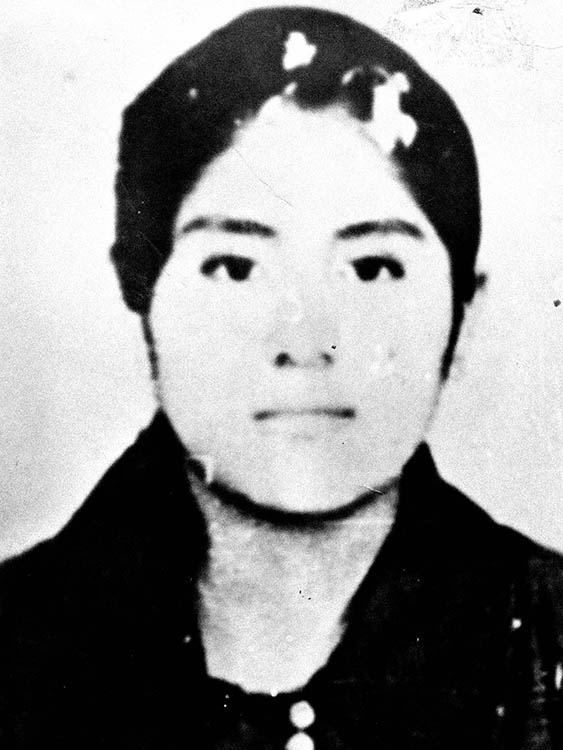
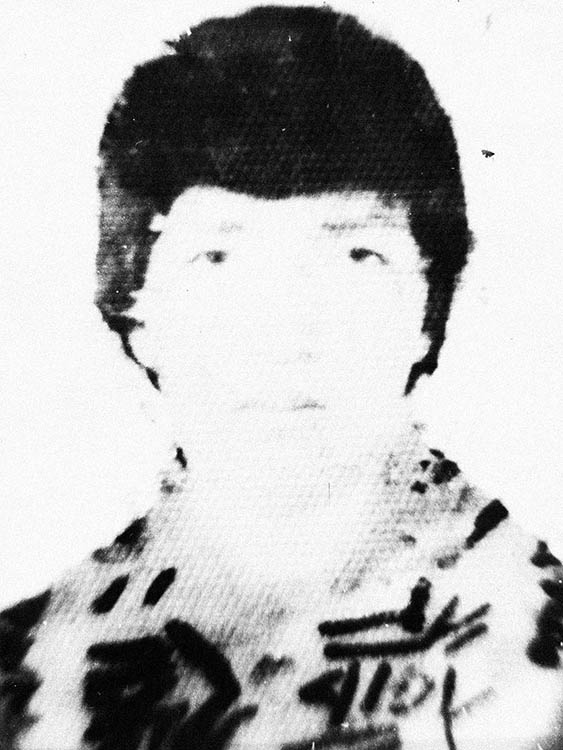
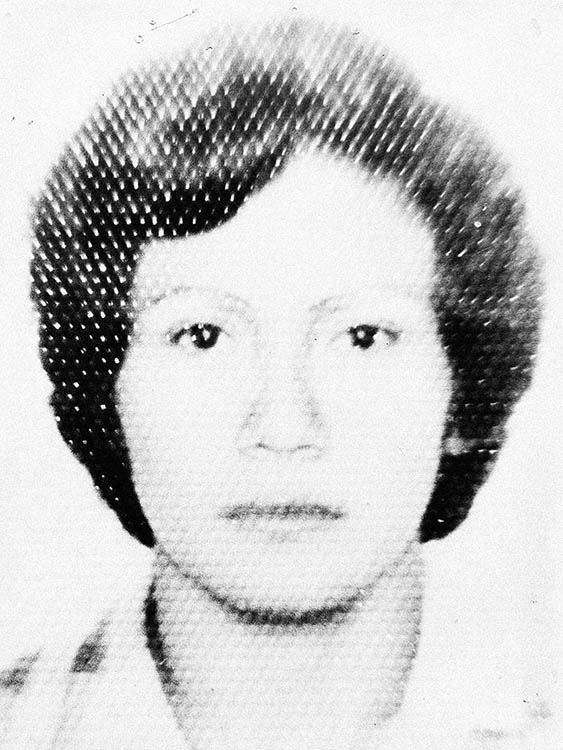


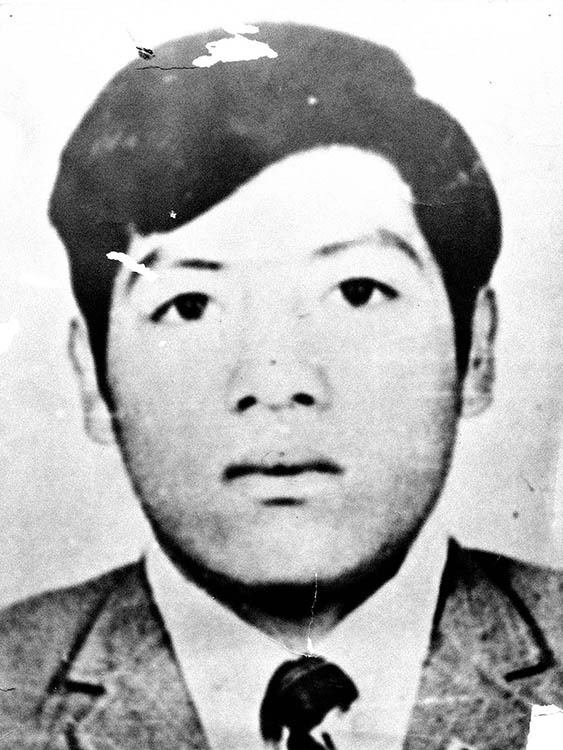
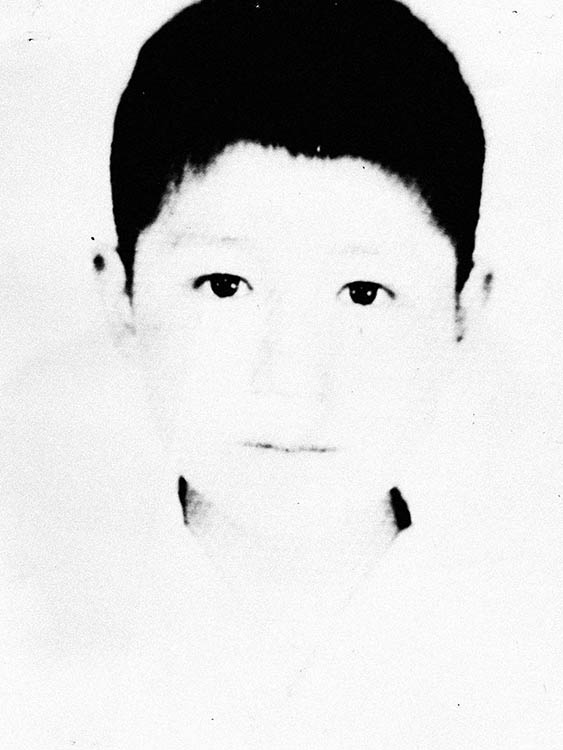

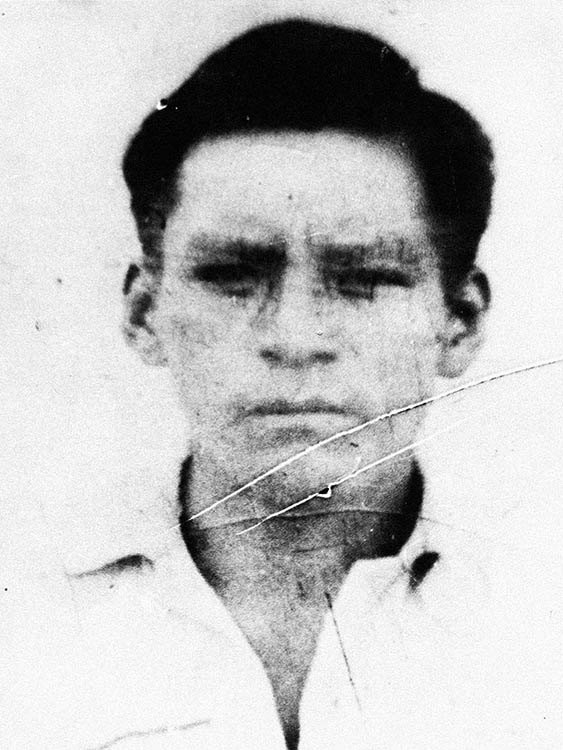
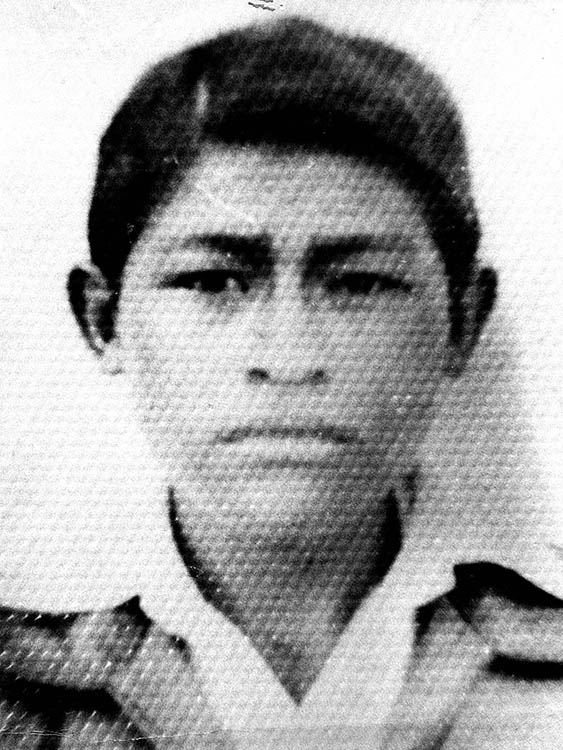

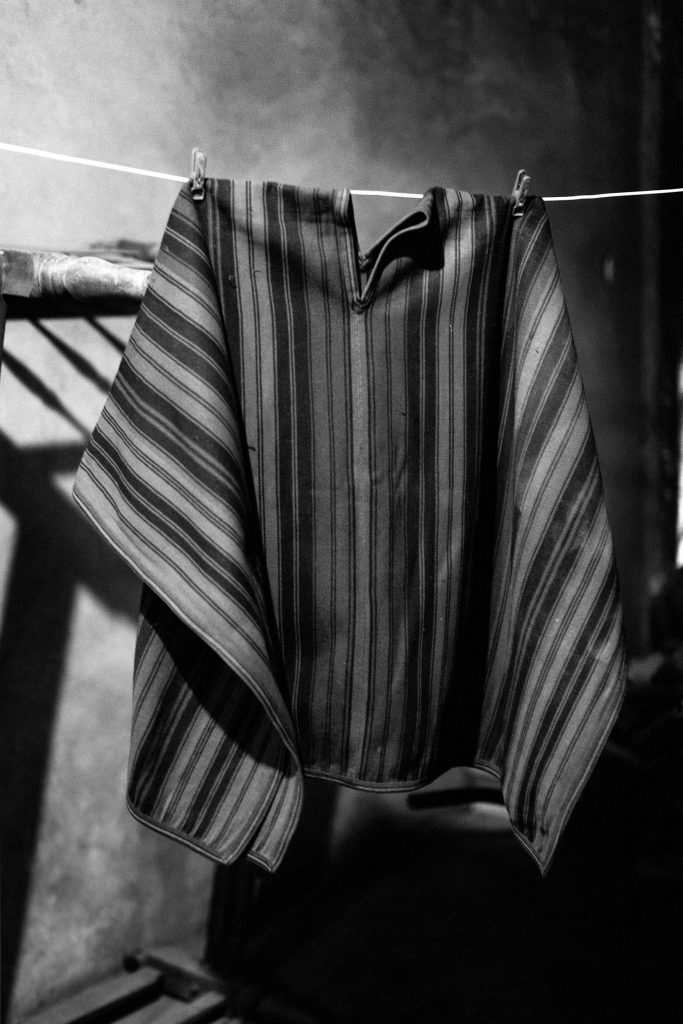

“In my dream, I was walking up above, and when I looked down I saw my husband. ‘Is he dead?’ I wondered. ‘Have they shot him?’ And I made my way down to look for him. When I reached him, he looked as if he were unconscious. I asked ‘What happened to you?’ He replied, ‘I called you, but you didn’t see me. They left me here, a long time ago, and nobody has seen me.’ —Adelina at “La Hoyada”, where over 500 people disappeared in the early 1980s.


“When we arrived at the Los Cabitos military base in Huamanga, we had nothing to eat or drink. We didn’t even have a plate for the little food they gave us. A soldier secretly gave me this bowl, inspired by the last spark of humanity he still possessed. It was very useful to us, because we could use it to pick up the leftover food the soldiers brought us. I found out later that this plate, which was encrusted with dirt, was the one that the guard used to feed the dog.” —Edwin, who was imprisoned in Los Cabitos Barracks, Huamanga, from 1993 to 2005.


“I won’t be able to stop until
I find his remains and can bury him.
Adelina García, wife of Zósimo Tenorío Prado, disappeared in 1983, in Ayacucho.