On Rape
And the miscarriages of justice

On Rape aims to call out institutional rape culture prevalent in societies around the world
I chose this topic for the second chapter of A History of Misogyny when, in the middle of painstaking research, this local news story triggered me deeply. The group of five Spanish men self-named La Manada (The Wolf Pack) who had gang raped an 18-year-old woman in 2016, were found guilty only of a lesser offence of “sexual abuse” due to “the lack of evidence of violence”. The defence argued that 96 seconds of video footage filmed by the perpetrators —during which she was frozen and had her eyes shut— was proof of consent.
This case sparked the largest feminist protest in the country’s history, calling for Spain’s sexual assault laws to be rewritten and the sentence to be increased. With the rise of the #MeToo movement and the Harvey Weinstein case all over the news, I wanted to try to understand why the structures of justice and law enforcement were not only failing survivors, but actually encouraging perpetrators by preserving particular power dynamics and social norms.
By looking back through history, I seek to identify gender-based stereotypes and myths, as well as prevailing global prejudices and misconceptions that perpetuate rape culture. In order to avoid feeding the systemic victim-blaming society, I decided to switch the visual narrative from the victim to the institutions, letting this book serve as an opportunity to address transgenerational trauma and social accountability.
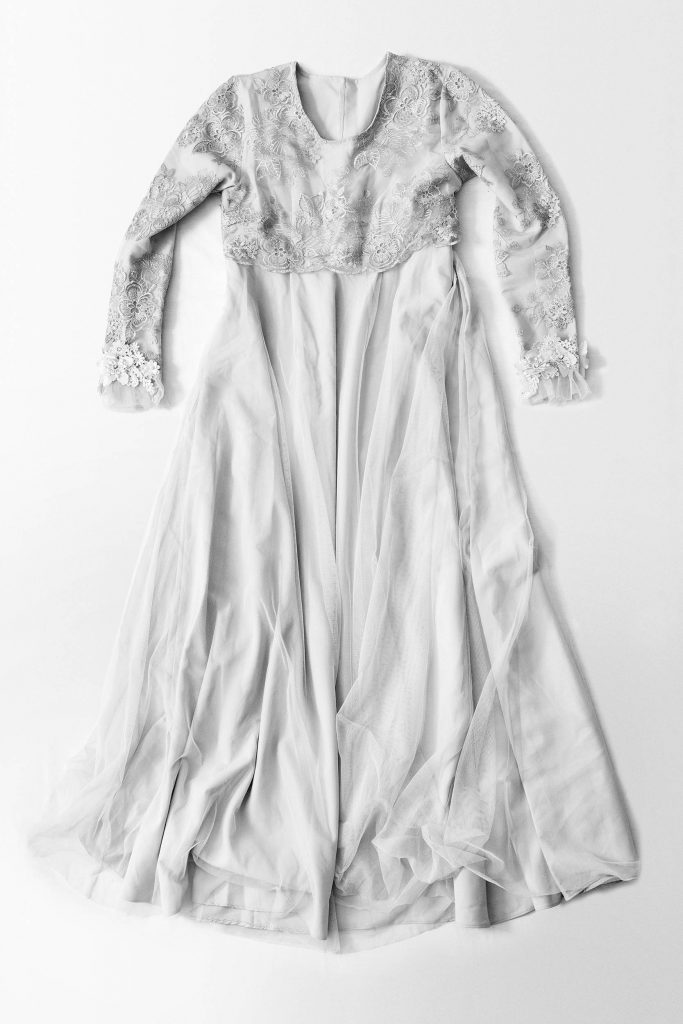
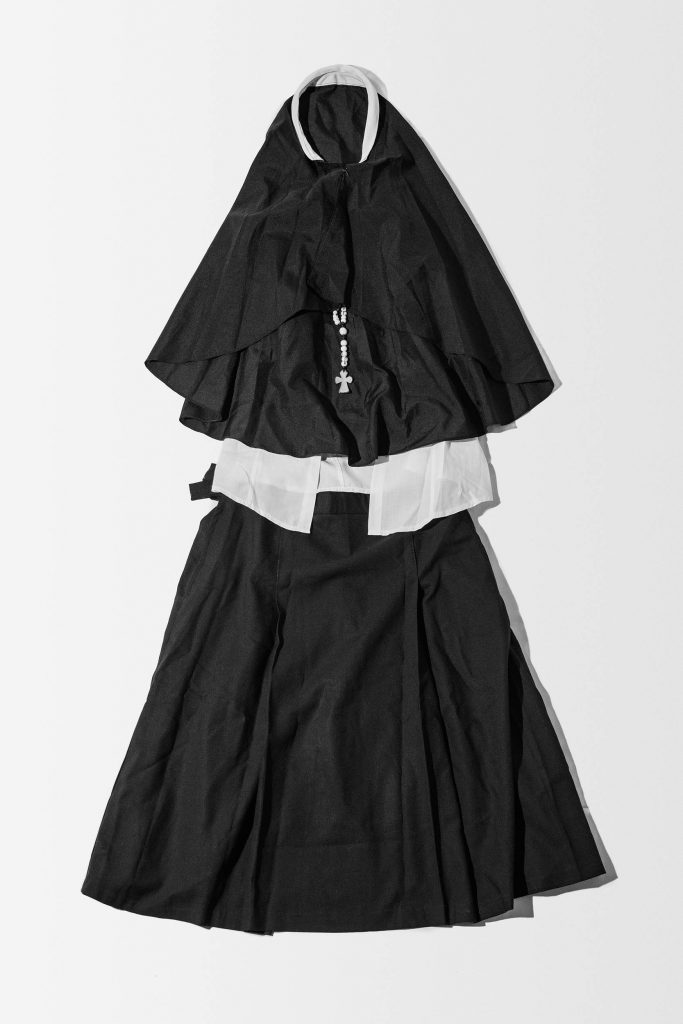
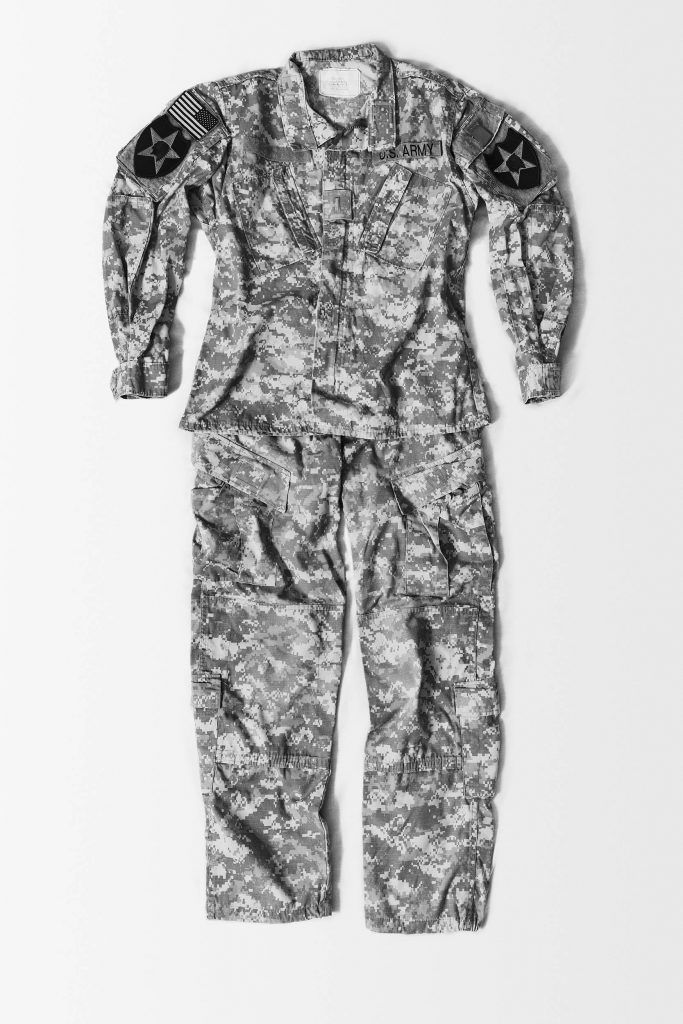
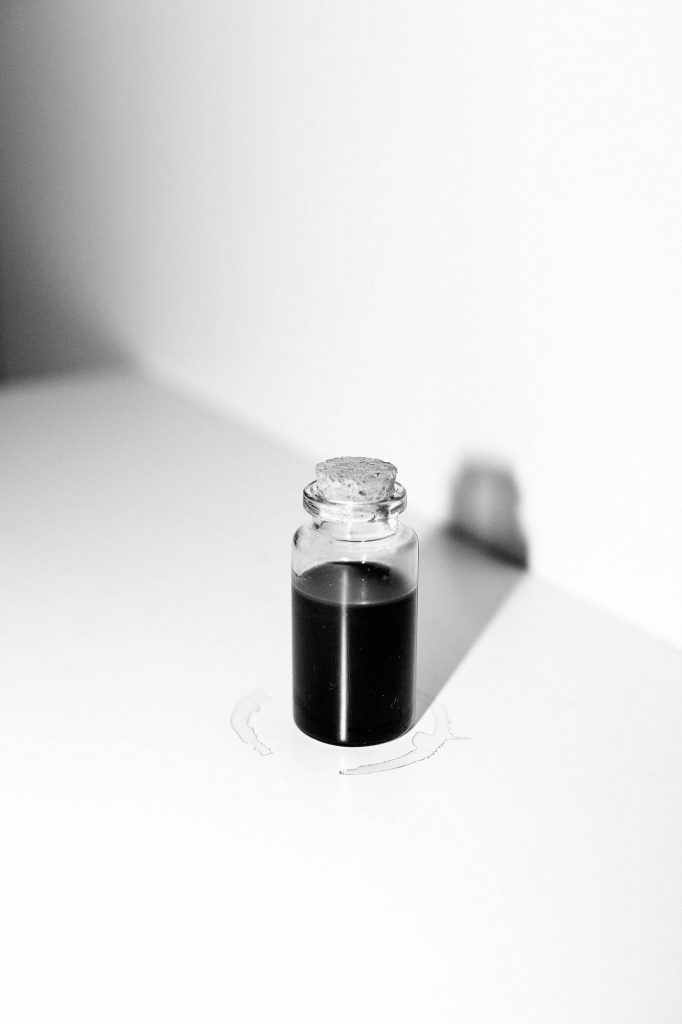
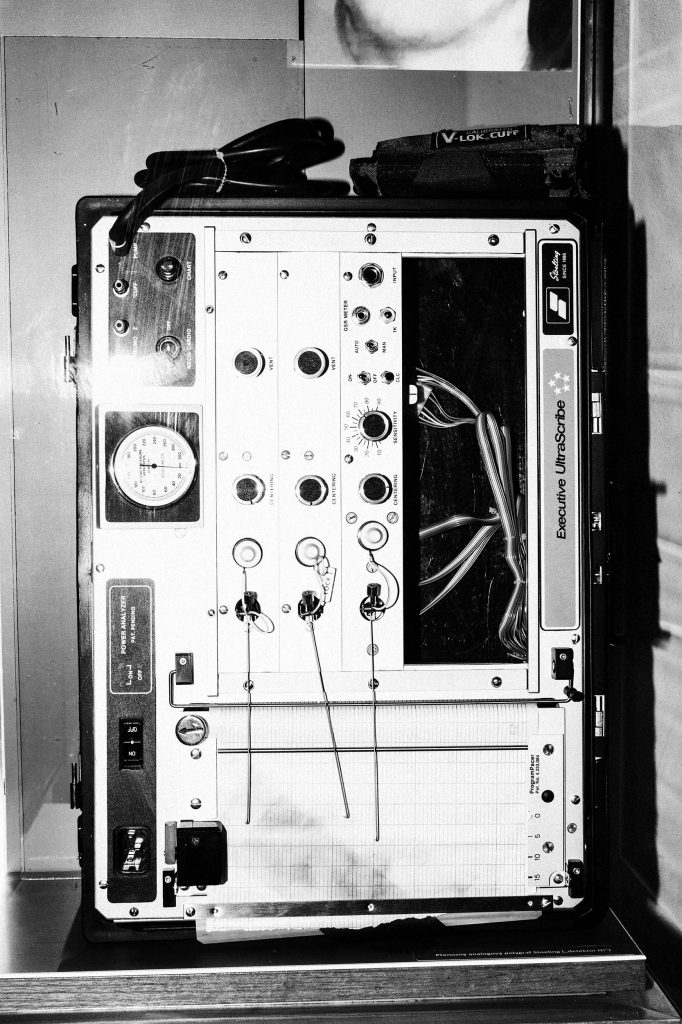
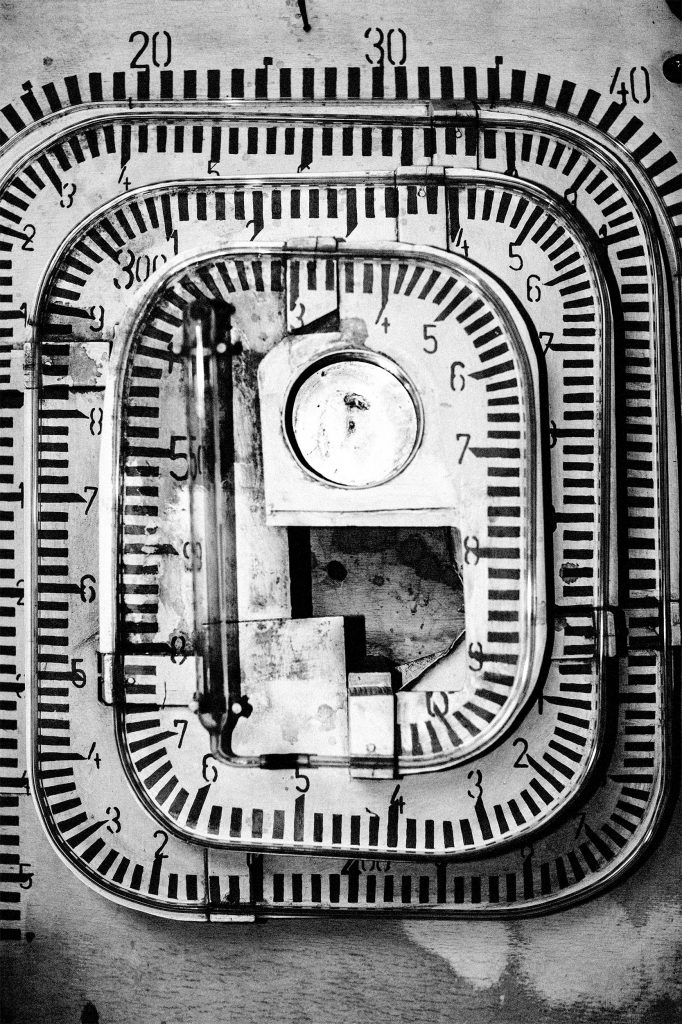
Laia Abril’s long-term project A History of Misogyny is visual research undertaken through historical and contemporary comparisons. In her second chapter, On Rape, Abril focuses on institutional rape throughout a series of conceptual portraits, that together with testimonials symbolise the different systemic rape cultures. In this instance, Abril uses history to track back the origin of laws and beliefs. This includes legislation that forces the victims to marry their rapists, rape used as a weapon of war, the fake construction of virginity or the genesis of rape schedule, which makes women reconsider their daily routines in order to protect themselves from potential harm. Through this research journey, Abril invites audiences to experience her reactions in the form of an audio, textual and visual installations.